
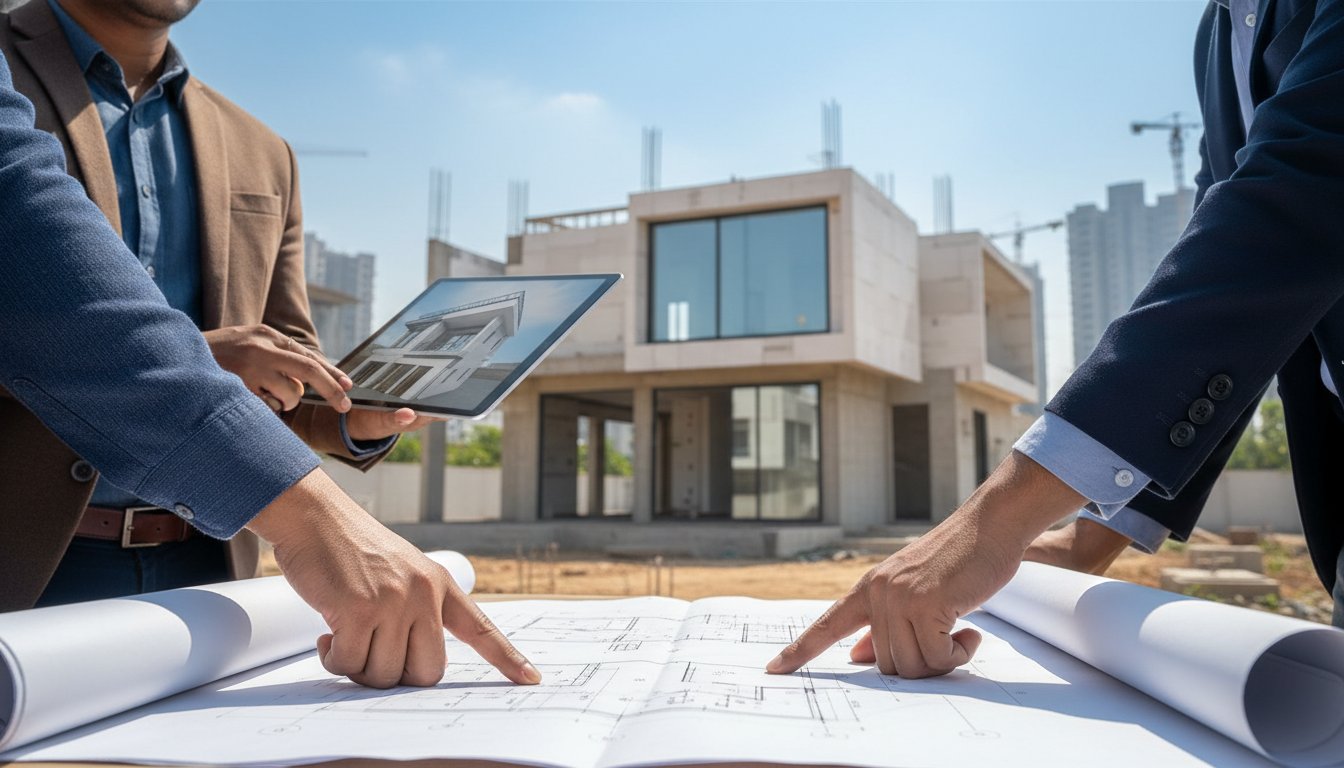
Embarking on the journey of building a new home is one of life’s most exciting projects. However, it can also feel overwhelming without a clear roadmap. This guide is here to help. You will learn the entire home construction process, from initial planning and budgeting to final handover, so you can build your dream home with confidence and clarity.
Phase 1: Planning and Preparation – The Foundation of Your Project
The first steps you take are the most critical for a smooth construction journey. Proper planning is not just about design; it’s about setting a solid foundation for your budget, timeline, and overall success. Diligent preparation at this stage saves significant time, money, and prevents future headaches, turning your dream into a concrete and achievable plan.
Defining Your Vision and Finalising the Floor Plan
Before any soil is turned, your vision must be crystal clear. Start by making a detailed list of your family’s needs and wants. Consider the number of rooms, the overall architectural style, and any special features you desire. It’s essential to work closely with a professional architect who can translate these ideas into a functional and beautiful design. They will help create the blueprints that serve as the guide for the entire project. For many, it’s also important to consider Vastu Shastra principles at this stage to ensure the home’s layout promotes positive energy and well-being.
Creating a Realistic Home Construction Budget
A well-planned budget is your best defence against financial stress. To create one, you must understand the main cost components, which include the price of the land (if not already owned), raw materials, labour charges, architect fees, and government permit costs. Research the current construction rate per square foot in your specific city or locality to get a baseline figure. Most importantly, always include a contingency fund of at least 10-15% of the total budget. This buffer is crucial for covering any unexpected expenses that may arise during construction.
Assembling Your Professional Team
Your project’s success heavily depends on the team you hire. An architect is responsible for the design, blueprints, and often, periodic supervision to ensure the build follows the plan. The contractor, on the other hand, is responsible for managing the day-to-day construction process, including labour, materials, and timelines. You have the choice of hiring a turnkey contractor who handles everything from start to finish or hiring individual labourers and managing the project yourself. For a hassle-free experience, working with an end-to-end team that provides all services under one roof can simplify the process immensely.
Phase 2: The Construction Process – From Groundbreaking to Finishing
With a solid plan in place, it’s time for the most exciting phase: watching your vision start to take physical shape. The construction process is a sequence of carefully coordinated stages, each building upon the last. Here, we break down the key stages of building your home from the ground up.
Site Preparation and Foundation Work
The first physical work involves preparing the site. This includes clearing the land of any debris or vegetation and levelling the ground. The layout is then marked on the ground according to the architectural blueprints. Next, excavation is done to dig trenches for the foundation and footing. Finally, a mixture of steel reinforcement and concrete is poured to create the foundation, which serves as the strong, stable base for your entire home.
Building the Superstructure: Framing, Walls, and Roof
Once the foundation has cured and is strong enough, the superstructure work begins. This involves erecting the columns, beams, and slabs that form the skeleton of the house. Following this framework, brickwork or blockwork is carried out to construct the internal and external walls, defining the rooms and spaces within the home. The final step in this stage is completing the roofing structure, which protects the building from rain, sun, and other elements.
Installing Essential Systems: Plumbing and Electrical Work
With the main structure in place, it’s time to install the home’s essential lifelines. This stage must be done carefully, as it’s crucial for the long-term functionality and safety of your home. Plumbers will lay the network of pipes for water supply, drainage, and sewage systems. Simultaneously, electricians will run wires and conduits through the walls and ceilings for all electrical points, switches, and lighting fixtures before the walls are plastered.
Interior and Exterior Finishing Touches
Finishing is the stage where the house truly begins to look like a home. This involves plastering the interior and exterior walls to create a smooth surface for painting. Flooring is laid using materials like tiles, marble, or wood. Doors and windows are installed, and painters apply the chosen colours. Finally, permanent fixtures like kitchen cabinets, bathroom fittings, and wardrobes are put in place, and any exterior landscaping work is completed.
Phase 3: Completion and Handover – Moving into Your New Home
You’re almost at the finish line! The final steps are all about ensuring your home is perfectly ready and legally compliant for you to move in. It’s tempting to rush this phase, but a thorough and patient check is essential to ensure everything is exactly as you envisioned and built to last.
Final Inspections and Obtaining Necessary Certificates
Before you accept the keys, conduct a final, detailed walkthrough of the entire house with your contractor. This is the time to create a “snag list”—a list of any minor issues that need fixing, such as a paint touch-up, a stiff door, or a leaky tap. Ensure all work on this list is completed to your satisfaction. Once the building is fully complete as per regulations, you must obtain the crucial Completion Certificate from your local municipal authorities, which legally declares the house fit for occupation.
The Handover Process: Your Final Checklist
The official handover is a significant moment. To ensure a smooth transition, follow a simple checklist:
- Receive all sets of keys for every lock in the house.
- Collect all warranty cards, invoices, and manuals for any installed equipment like water pumps, geysers, or appliances.
- Ask your contractor for a demonstration to understand the operation of all key systems, including the main electrical panel and plumbing valves.
- Ensure you have copies of all final legal documents, building plan approvals, and payment receipts in a safe file.
Why an Experienced Partner Makes All the Difference
Building a home is a complex undertaking, and the value of a professional partner cannot be overstated. A trusted and experienced contractor ensures high-quality workmanship and on-time project delivery. Their expertise is invaluable in navigating unexpected challenges, managing budgets effectively, and ensuring compliance with all building codes. Ultimately, the right partner provides peace of mind, allowing you to enjoy the process of creation without the stress. Trust our 45+ years of experience to build your perfect home with the reliability and quality you deserve.
Frequently Asked Questions
How long does it typically take to build a house in India?
For an average-sized residential home (1,500-2,500 sq. ft.), the construction process typically takes between 8 to 12 months, depending on factors like design complexity, location, contractor efficiency, and timely availability of funds and materials.
What are the main costs involved in home construction?
The main costs include the plot of land, architectural and structural design fees, raw materials (cement, steel, bricks, etc.), labour charges, finishing materials (tiles, paint, fittings), and fees for government permits and utility connections.
Can I get a bank loan for constructing a new house?
Yes, most banks and financial institutions in India offer home construction loans. These are typically disbursed in stages based on the progress of the construction, and you will need to provide approved building plans and a detailed cost estimate.
What is the difference between a turnkey contract and a labour contract?
A labour contract covers only the cost of labour; you are responsible for sourcing and purchasing all materials. A turnkey (or materials) contract is an all-inclusive agreement where the contractor manages both labour and material procurement for a fixed price.
How can I ensure the quality of construction materials being used?
You can ensure quality by specifying trusted brands in your contract, periodically visiting the site to inspect materials upon delivery, and if necessary, hiring a third-party inspector to test key materials like steel and cement for quality standards.
What are the most important legal permits required for home construction?
The most crucial permits include the Building Plan Approval from the local municipal authority before you start, and the Completion Certificate and Occupancy Certificate after the construction is finished to legally occupy the house.
Building a home is a journey of a thousand small steps, but with the right knowledge and a reliable partner, it can be a deeply rewarding experience. By understanding each phase, from planning and budgeting to the final handover, you empower yourself to make informed decisions and navigate the process with confidence. When you’re ready to turn your vision into a lasting reality, it’s essential to have a team you can depend on.
Ready to build your dream home? Trust our 45+ years of expertise. At Kartik Renovation, we offer end-to-end solutions under one roof, ensuring transparent pricing and on-time project delivery. Let us be your trusted partner in creating a space you’ll love for a lifetime.